Multi Cloud Networking
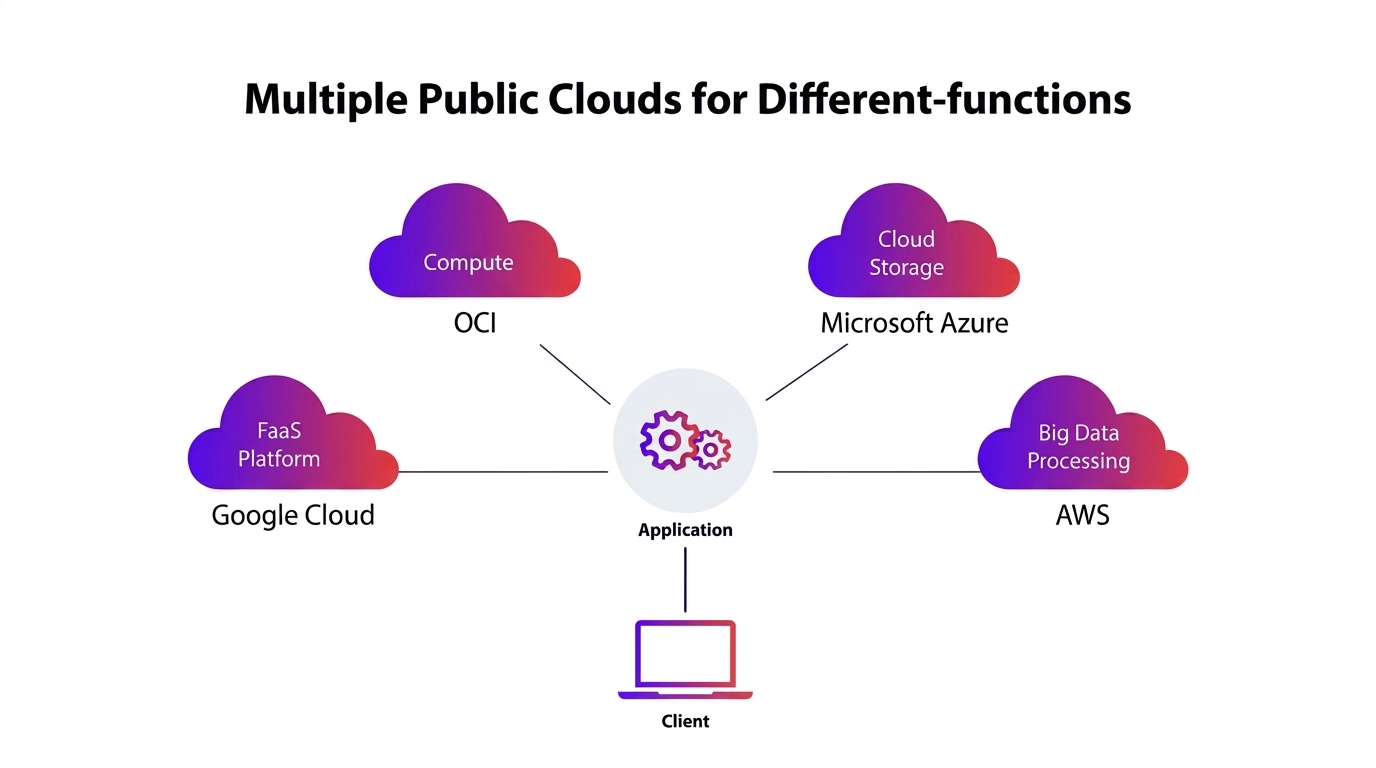
High availability is not a new concept to application architecture. Cloud vendors provide multiple available zone and multiple regions for fault tolerance and high availability. Regardless of the design sometimes a failure in the service backplane can casecade to multiple regions and make an entire service unavailable. To overcome this most organizations use multiple public cloud providers today.
Our Solution
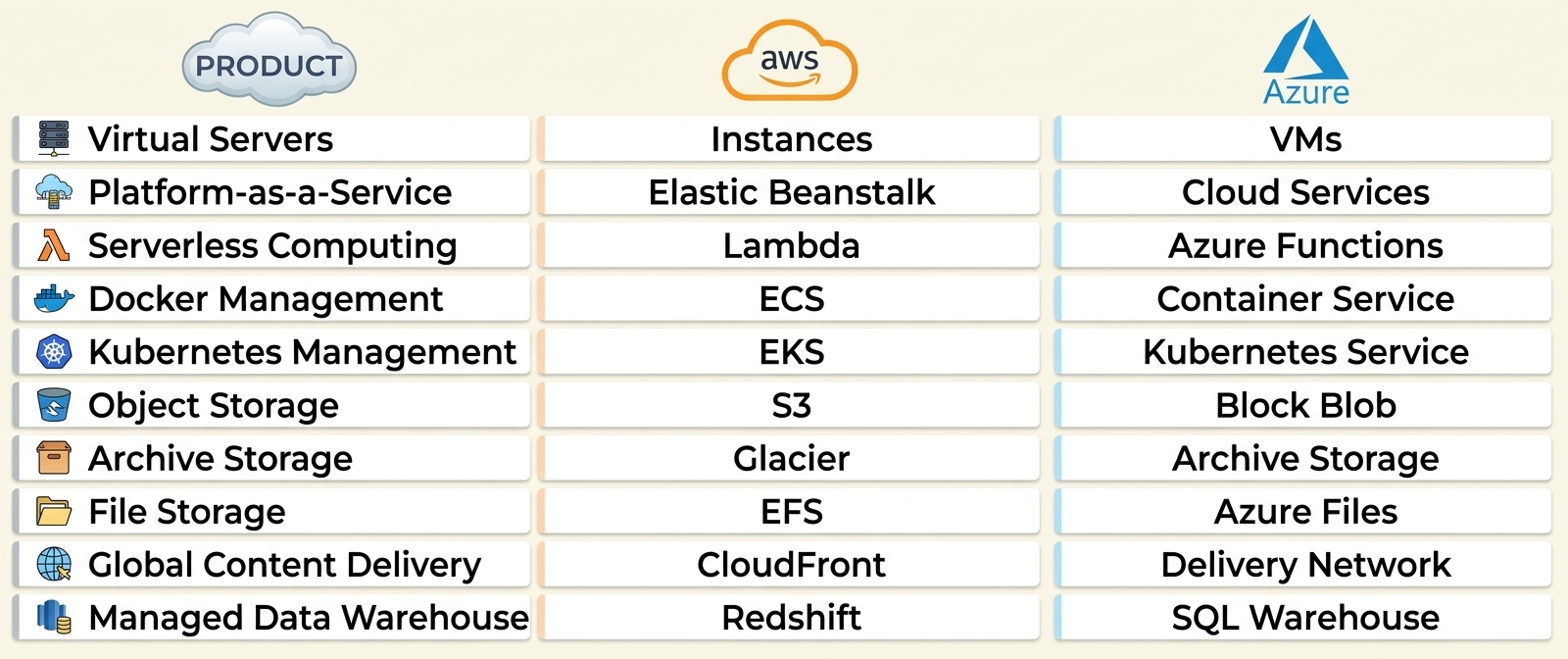
- Writing applications to work across different services not only takes a lot of time and effort but also makes services less efficient sometimes. In the ideal world, these infrastructure differences should be abstracted from th developers so they can develop their applications against an unified interface.
- Managing security policies and infrastrcuture configuration across multiple clouds when applications span multiple clouds is a real challenge. Not understanding the subtle differences in different vendor services can lead to operational outages that are really hard to troubleshoot.
- Application architecture is never static. The architecture that worked well in the early stages might not be a good fit as it scales. Sometimes it might be faster to do the PoC on one cloud while the production application fits better on another cloud. However, migrating an application from one cloud to another is a project in itself. A unified interface can help minimize this effort.